Region
Wines from Limoux and the Malras Region
The Limoux region, situated in southern Languedoc, France, is renowned for its unique terroirs and long-standing winemaking tradition. With a rich history and a reputation for producing refined and high-quality wines, Limoux is celebrated for its exceptional white and sparkling wines. The interplay of Atlantic and Pyrenean influences, combined with diverse soil types and microclimates, contributes to the complexity and expressiveness of the wines crafted in this area.
Characteristics of Limoux and Its Wines
1. Sparkling Wines (Blanquette de Limoux)
Limoux is best known for its sparkling wines, particularly Blanquette de Limoux. These wines are considered the oldest sparkling wines in France, predating even the renowned Champagne. Made primarily from the Mauzac grape, these wines showcase a refined balance of crisp acidity, fruity aromas, and subtle minerality.
•Blanquette de Limoux Brut – A fresh, lively wine with delicate bubbles, citrus notes, and hints of apple and peach.
•Blanquette de Limoux Demi-Sec – A slightly sweeter version with soft fruity tones and a creamy texture.
2. White Wines
In addition to its famed sparkling wines, Limoux produces outstanding still white wines using a variety of grape varieties, including Chardonnay, Viognier, Mauzac, and Chenin Blanc.
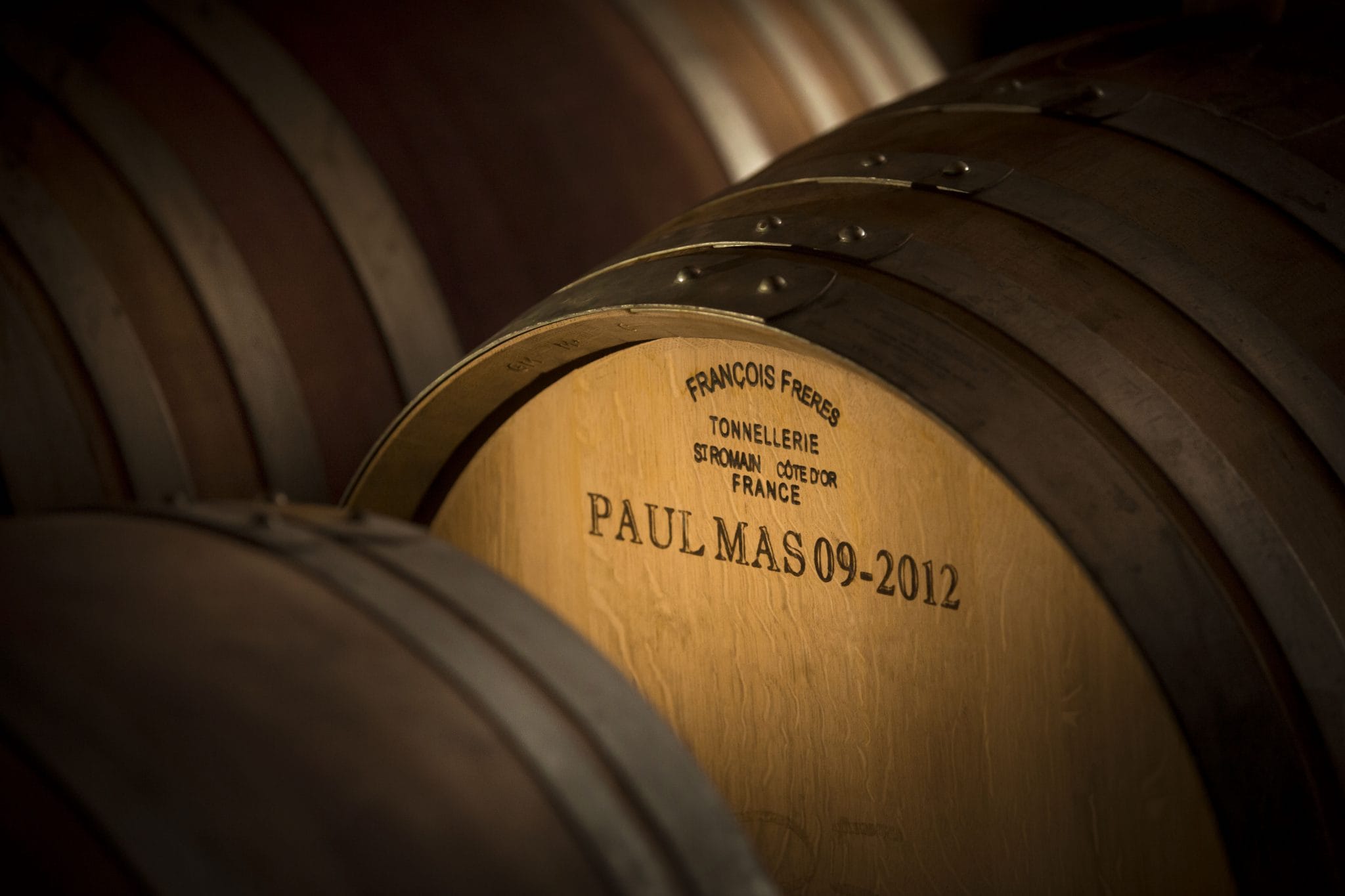
•Chardonnay – Often aged in oak barrels, it delivers rich and complex flavors of stone fruit, vanilla, and subtle oak nuances.
•Mauzac – This local grape produces fresh, mineral-driven wines with vibrant acidity and notes of apple and citrus.
3. Red Wines
Although Limoux is primarily recognized for its white and sparkling wines, it also produces some excellent red wines.
•Pinot Noir and Syrah – These grapes yield elegant and nuanced red wines with flavors of red fruit, spices, and a delicate earthy structure.
Malras – A Key Vineyard Area
The Malras area, part of Limoux, is home to unique vineyards with ideal conditions for viticulture. The soils range from slate to limestone and sand, enhancing the diversity and complexity of the wines produced.
The combination of cool nights and warm days ensures the grapes ripen perfectly while retaining their natural acidity and vibrant fruit character. This unique microclimate allows for wines with an exceptional balance of structure, complexity, and freshness.
Commitment to Quality and Tradition
Winemakers in Limoux and Malras blend modern techniques with traditional French winemaking methods. They are dedicated to sustainable viticulture, emphasizing environmental stewardship and respect for nature. Many vineyards employ organic and integrated practices to protect biodiversity and maintain soil health, ensuring the continued production of high-quality wines that honor the region’s heritage.